How to start motocross, what to buy
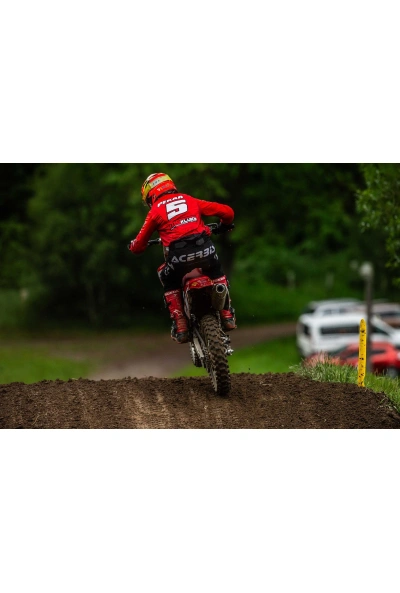
Motocross is a sport that is ridden on closed, exclusively designated tracks. Motocross tracks are full of jumps, turns, but also stones, mud and sand. Off-road motorcycle riders must be physically fit, keeping the motorcycle at high speed in the terrain is not easy. Motocross is primarily about speed and adrenaline.
No/safety, motocross is an adrenaline sport and there is a certain risk associated with it. Motorcycles are fast, the terrain is demanding, so it is common for riders to get injured in falls, even at lower speeds. It is therefore important for riders to wear appropriate protective equipment such as helmets, protectors, boots...
Motocross is a sport with risk, but with proper preparation, appropriate equipment and compliance with safety rules, the risk of injury can be minimized.
So let's discuss in more detail what we will need:
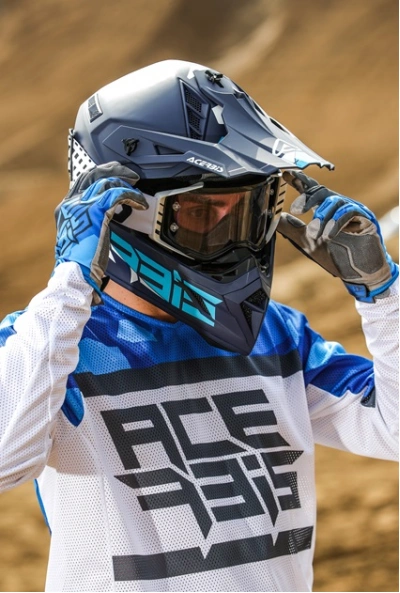
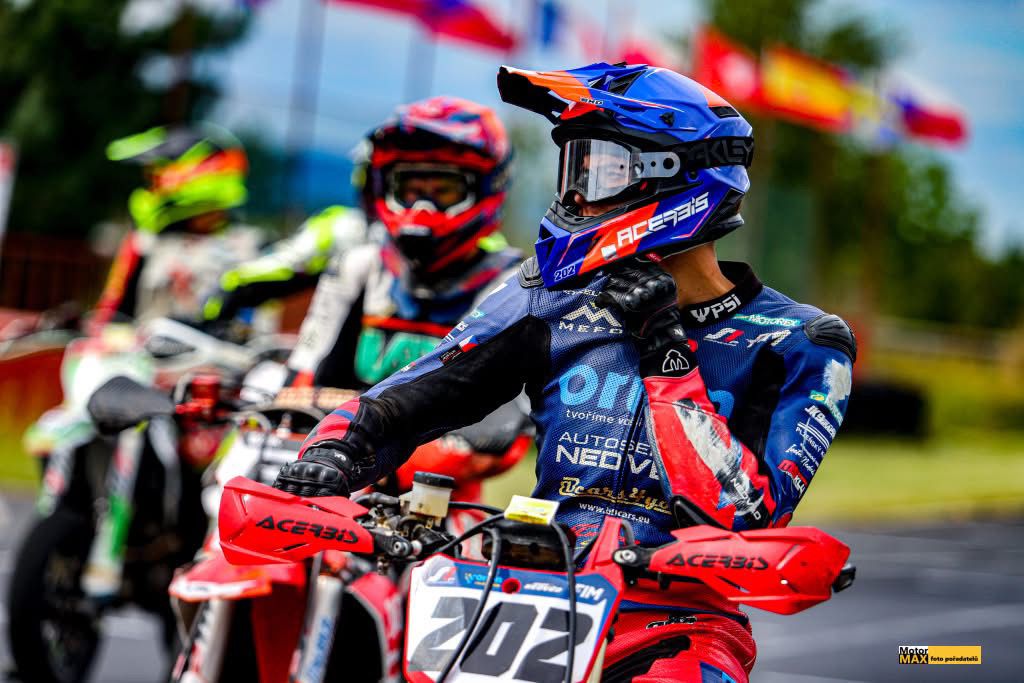
A motorcycle helmet is perhaps the most important thing - it protects the head from impact. When falling, the helmet may crack on the surface, but if the so-called head remains intact, everything is fine. What should you look for when choosing a motocross helmet? A motocross helmet is without plexiglass, is well ventilated, is lightweight, made of quality materials and, most importantly, is homologated for motocross (currently, the highest homologation is marked 22-06). The right helmet must fit well, must not press, must not "bloom".
A motocross helmet does not have eye protection, so
motocross goggles are a must for motocross, which protect the eyes from mud, stones or dust. Seeing well is important. When choosing motocross goggles, do not forget about the availability of replacement lenses (plexiglass) or so-called ejectors.
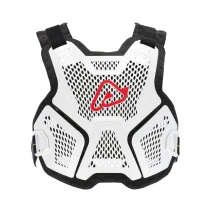
- Chest/back/spine protectors
A fall forward, a blow to the chest, a flying stone, a fall on your back - not only in these cases, the correctly selected
protector reduces the consequences of an injury. Pay attention to the correct size, it must fit tightly, but must not restrict movement. The material is plastic and special foam, which hardens and protects upon impact. Back protectors must be properly homologated. Do not consider homologation to be useless,
a homologated protector means that tougher tests have been carried out and the protector has passed.
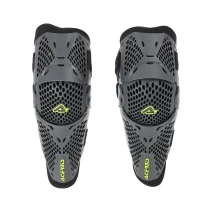
- Elbow/forearm/knee and shin protectors
These protectors primarily protect joints and bones in falls.
Full-body protectors not only protect the chest, spine, but also the kidneys, shoulders and elbows. The protector's task is to minimize the consequences of a fall - injury.
The knee protector also protects the shins, this protector smoothly transitions into motocross boots.
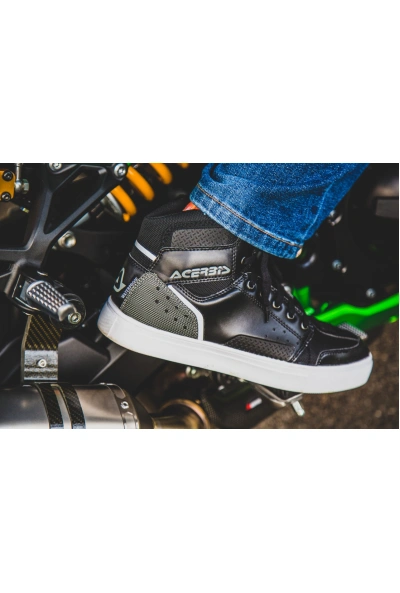
Motocross boots are solid, hard, but that doesn't mean they have to be uncomfortable, we have to feel good in
motocross boots, they shouldn't press. When it comes to motocross boots, make sure they have a solid sole, secure fastening and they must be particularly firm in the ankle area.
Motocross boots protect the ankle in particular.
Motocross clothing is usually colourful, must be comfortable, but made of strong, durable, but breathable materials. This clothing protects against minor scratches.
Recommended procedure
- Start with a helmet and boots - these are the most important parts.
- Then goggles and knee/back/chest protectors - when these parts are well protected, it's a big step towards safety.
- Try the equipment in the store - sizes, comfort

 WEAR SALE
 HELMETS SALE
 TRavel
 gloves
  GOGGLES & GLASSES
 Protectors %
 Boots %
 Jackets %
 Pants %
 PLASTICS SALE
  feders
 tables and masks
 spoilers
  frame cover
  Swingarm covers
 Raptor
 engine cover covers
 rear fenders
 radiator covers
 chain guides
 seat covers
 fork protectors
 engine covers
 handles
  lever protectors
 LEVERS SALE
 FILTERS FOR MOTO sale
 wheels and repair kits
 gas handles
 silencer parts
 chassis parts
 TOOLS SALE
 Brake pads
  cables on motorbike sale
 gears
gears bags and backpacks
 tyres and tubes
  screws


 airbox and airbox covers
 UNIVERSAL FENDER
 TANK COVER
 Front disc covers
 MUD FLAP
 HEADLIGHT MASK
 TAIL LIGHT FENDER
 BRAKES
 BRAKE DISCS & BOLTS
 CALIPERS & BRAKE PUMPS
 BRAKE PEDAL
 BRAKE HOSE
 ENGINE PARTS
 GASKETS & SEALS
 CARBURETOR
 BEARINGS
 OIL PLUG
 PISTON SETS
 TIMING CHAINS
 CLUTCH & ACCESSORIES
 Nozzles
 CYLINDER HEAD
 engine covers
 WATER PUMP
 CONNECTING ROD KIT
 AIR FILTER COVER
 OIL FILTER
 NET AIR FILTER
 AIR FILTER
 FUEL FILTER
 HANDGUARDS
  OPEN
OPEN CLOSED
 CLOSED UNIVERSAL
 HANDGUARD ACCESSORIES
 RADIATOR
 RADIATORS
 RADIATOR BRACES
 RADIATOR HOSES
 BEARINGS
 SPOKES
 SPACERS
 NUTS
NUTS WHEELS & RIMS
 TPS SENSOR COVER
 SWINGARM & LINKAGE
 LINKAGE KIT
 KETTENBLOCK
 LINKAGE COVERS
 TANKS
TANKS ADDITIONAL TANKS
 TANK CAPS
 TANK VALVES
 TANK PARTS
 GRIP ACCESSORIES
 CHAIN SET
 FRONT SPROCKETS
 SPROCKETS & SCREWS
 CHAINROLLER
 SPROCKET COVERS
  Accessories for chain wheels
 STEERING
 HANDLEBARS
 CLAMPS
 STEERING NECK
 CROSSBAR PAD
 HANDLEBAR ACCESORIES
 SEATS
SEATS SEATFOAM
 SEAT COVER
 FOOTPEGS
 FOOTPEGS
 SPRINGS & PINS
 PROTECTORS
 HEADLIGHTS
 SPARK PLUG
  SEAT
SEAT ENGINE BOLTS
 BRAKE BOLT AND SPROCKET SCREW
 SIMERINGS & DUSTERS
 SET OF BUSHINGS
 bleeder screw
 front shock absorber covers
 rear shock absorber covers
 REAR SHOCK ATTACHMENT
 LAUNCH HELPER
 EXHAUST
 EXHAUST PROTECTION
 COTTON WOOL
 PLUGS
PLUGS HEAT-RESISTANT FOIL
 CONNECTING RUUBBER
 SPRINGS
 REPAIR KITS
 SILENTBLOCK
 Adventure
 rider equipment
 Acerbis carbon
 Acerbis Airstrike-X
 Acerbis T711
 Acerbis Linear
 Acerbis Whoops
 FLIP-UP
 OPEN
OPEN JUNIOR
 RETRO
RETRO ACCESSORIES
 GOGGLES
 GLASS, TEARS OFF...
 PROTECTION
 CHEST PROTECTORS
 NECK BRACES
 KIDNEY BELTS
 ELBOW PROTECTORS
 KNEE GUARDS
 BACKBONE
 JUNIOR
 SOFT PANTS
 travel
 ANKLE
ANKLE ENDURO
 JUNIOR
 soles and more
 Wellies
 on a scooter
 JUNIOR
 ENDURO
 women
women ENDURO
 TEXTILIE
  jeans
jeans summer
 WINTER
 ENDURO
 summer
 WATERPROOF
 women's
  glove liners
 SOCKS
SOCKS WATERPOOF GEAR
 VESTS
VESTS THERMO UNDERWEAR
 THERMO T-SHIRTS
 THERMO PANTS
 THERMO KNEE SOCKS
 leisurewear
 Headwear
 T-SHIRTS
 trika-uni
 Children's T-shirts
 Mini T-shirts
 SWEATSHIRT
 leisure jackets
 FREE TIME SHORTS
 Sweatpants
 Casual shoes
 HOODS
HOODS SCARF
SCARF TOOLS
TOOLS TIRE LEVERS
  CHAIN BREAKERS
 Preparations for shocks
 Preparations for wheels
 Engine preparations
 Preparations for bearings
 OTHER MOTO TOOLS
 GRAPHICKITS, NUMBERS
 Wheel changers
 Canisters, measuring cups
 TRANSPORT
 CARPETS
 MOTORCYCLE COVERS
 HOURMETER
 helpers for track and training
 STAND
STAND HYDRATION BAGS
 PIT BOARD, MARKER
 BACKPACKS
 WAIST PACKS
 VOUCHERS
 STAND
STAND FORK OIL
 AIR FILTER OIL
 CHAIN LUBES
 COOLANT FLUID
 BRAKE FLUID
 CLEANER AND IMPREGNATION
 additives
 MEFO MOUSSE
 10"
10" 12"
12" 14"
14" 16"
16" 17"
17" 18"
18" 19"
19" 20"
20" 21"
21" MOUSSE GEL
 TUBE FOR MOTORCYCLE
 4"
4" 5"
5" 6"
6" 8"
8" 9"
9" 10"
10" 12"
12" 13"
13" 14"
14" 15"
15" 16"
16" 17"
17" 18"
18" 19"
19" 21"
21" 22"
22" 23"
23" 10"
10" 12"
12" 14"
14" 15"
15" 16"
16" 17"
17" 18"
18" 19"
19" 20"
20" 21"
21" ENDURO TIRE
 ROAD TIRE
 15"
15" 23"
23" 4"-6,5"
 8"
8" 13"
13" HALTERS