 WEAR SALE
 HELMETS SALE
 TRavel
 gloves
  GOGGLES & GLASSES
 Protectors %
 Boots %
 Jackets %
 Pants %
 PLASTICS SALE
  feders
 tables and masks
 spoilers
  frame cover
  Swingarm covers
 Raptor
 engine cover covers
 rear fenders
 radiator covers
 chain guides
 seat covers
 fork protectors
 engine covers
 handles
  lever protectors
 LEVERS SALE
 FILTERS FOR MOTO sale
 wheels and repair kits
 gas handles
 silencer parts
 chassis parts
 TOOLS SALE
 Brake pads
  cables on motorbike sale
 gears
gears bags and backpacks
 tyres and tubes
  screws


 airbox and airbox covers
 UNIVERSAL FENDER
 TANK COVER
 Front disc covers
 MUD FLAP
 HEADLIGHT MASK
 TAIL LIGHT FENDER
 BRAKES
 BRAKE DISCS & BOLTS
 CALIPERS & BRAKE PUMPS
 BRAKE PEDAL
 BRAKE HOSE
 ENGINE PARTS
 GASKETS & SEALS
 CARBURETOR
 BEARINGS
 OIL PLUG
 PISTON SETS
 TIMING CHAINS
 CLUTCH & ACCESSORIES
 Nozzles
 CYLINDER HEAD
 engine covers
 WATER PUMP
 CONNECTING ROD KIT
 AIR FILTER COVER
 OIL FILTER
 NET AIR FILTER
 AIR FILTER
 FUEL FILTER
 HANDGUARDS
  OPEN
OPEN CLOSED
 CLOSED UNIVERSAL
 HANDGUARD ACCESSORIES
 RADIATOR
 RADIATORS
 RADIATOR BRACES
 RADIATOR HOSES
 BEARINGS
 SPOKES
 SPACERS
 NUTS
NUTS WHEELS & RIMS
 TPS SENSOR COVER
 SWINGARM & LINKAGE
 LINKAGE KIT
 KETTENBLOCK
 LINKAGE COVERS
 TANKS
TANKS ADDITIONAL TANKS
 TANK CAPS
 TANK VALVES
 TANK PARTS
 GRIP ACCESSORIES
 CHAIN SET
 FRONT SPROCKETS
 SPROCKETS & SCREWS
 CHAINROLLER
 SPROCKET COVERS
  Accessories for chain wheels
 STEERING
 HANDLEBARS
 CLAMPS
 STEERING NECK
 CROSSBAR PAD
 HANDLEBAR ACCESORIES
 SEATS
SEATS SEATFOAM
 SEAT COVER
 FOOTPEGS
 FOOTPEGS
 SPRINGS & PINS
 PROTECTORS
 HEADLIGHTS
 SPARK PLUG
  SEAT
SEAT ENGINE BOLTS
 BRAKE BOLT AND SPROCKET SCREW
 SIMERINGS & DUSTERS
 SET OF BUSHINGS
 bleeder screw
 front shock absorber covers
 rear shock absorber covers
 REAR SHOCK ATTACHMENT
 LAUNCH HELPER
 EXHAUST
 EXHAUST PROTECTION
 COTTON WOOL
 PLUGS
PLUGS HEAT-RESISTANT FOIL
 CONNECTING RUUBBER
 SPRINGS
 REPAIR KITS
 SILENTBLOCK
 Adventure
 rider equipment
 Acerbis carbon
 Acerbis Airstrike-X
 Acerbis T711
 Acerbis Linear
 Acerbis Whoops
 FLIP-UP
 OPEN
OPEN JUNIOR
 RETRO
RETRO ACCESSORIES
 GOGGLES
 GLASS, TEARS OFF...
 PROTECTION
 CHEST PROTECTORS
 NECK BRACES
 KIDNEY BELTS
 ELBOW PROTECTORS
 KNEE GUARDS
 BACKBONE
 JUNIOR
 SOFT PANTS
 travel
 ANKLE
ANKLE ENDURO
 JUNIOR
 soles and more
 Wellies
 on a scooter
 JUNIOR
 ENDURO
 women
women ENDURO
 TEXTILIE
  jeans
jeans summer
 WINTER
 ENDURO
 summer
 WATERPROOF
 women's
  glove liners
 SOCKS
SOCKS WATERPOOF GEAR
 VESTS
VESTS THERMO UNDERWEAR
 THERMO T-SHIRTS
 THERMO PANTS
 THERMO KNEE SOCKS
 leisurewear
 Headwear
 T-SHIRTS
 trika-uni
 Children's T-shirts
 Mini T-shirts
 SWEATSHIRT
 leisure jackets
 FREE TIME SHORTS
 Sweatpants
 Casual shoes
 HOODS
HOODS SCARF
SCARF TOOLS
TOOLS TIRE LEVERS
  CHAIN BREAKERS
 Preparations for shocks
 Preparations for wheels
 Engine preparations
 Preparations for bearings
 OTHER MOTO TOOLS
 GRAPHICKITS, NUMBERS
 Wheel changers
 Canisters, measuring cups
 TRANSPORT
 CARPETS
 MOTORCYCLE COVERS
 HOURMETER
 helpers for track and training
 STAND
STAND HYDRATION BAGS
 PIT BOARD, MARKER
 BACKPACKS
 WAIST PACKS
 VOUCHERS
 STAND
STAND FORK OIL
 AIR FILTER OIL
 CHAIN LUBES
 COOLANT FLUID
 BRAKE FLUID
 CLEANER AND IMPREGNATION
 additives
 MEFO MOUSSE
 10"
10" 12"
12" 14"
14" 16"
16" 17"
17" 18"
18" 19"
19" 20"
20" 21"
21" MOUSSE GEL
 TUBE FOR MOTORCYCLE
 4"
4" 5"
5" 6"
6" 8"
8" 9"
9" 10"
10" 12"
12" 13"
13" 14"
14" 15"
15" 16"
16" 17"
17" 18"
18" 19"
19" 21"
21" 22"
22" 23"
23" 10"
10" 12"
12" 14"
14" 15"
15" 16"
16" 17"
17" 18"
18" 19"
19" 20"
20" 21"
21" ENDURO TIRE
 ROAD TIRE
 15"
15" 23"
23" 4"-6,5"
 8"
8" 13"
13" HALTERS
Brakes under control. Changing brake fluid step by step
Changing brake fluid on a motorcycle | Instructions and products on Mefo.cz


Brake fluid
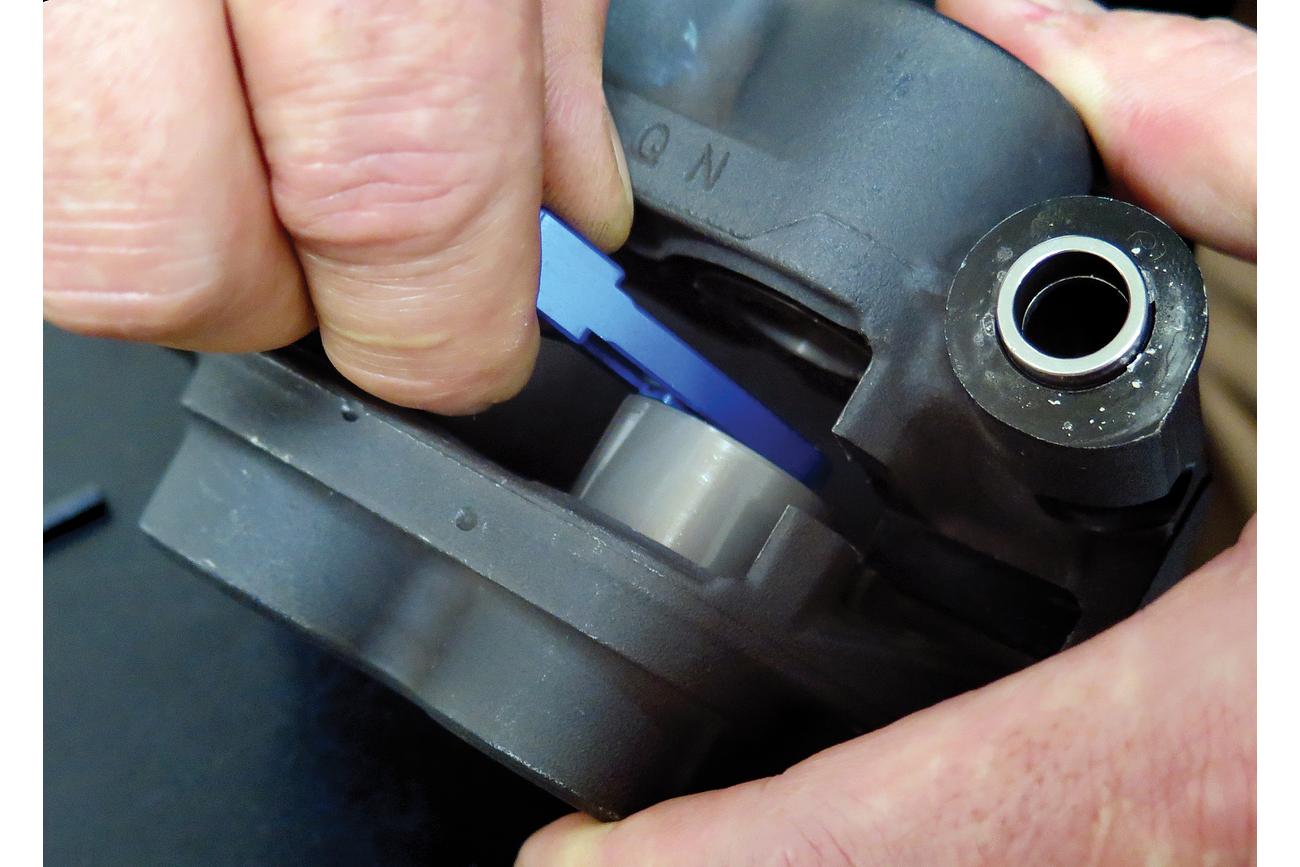
To completely replace the brake fluid, you need to disassemble the caliper, remove all pistons and seals. Clean everything, be careful not to use lubricant to install the caliper, it reacts with the brake fluid and can cause a number of problems. Use brake fluid of the same designation as the previous one - i.e. DOT4 or DOT5.1, these two brake fluids are compatible with each other.
In stock
1 piece
In stock
1 piece
In stock
2 pieces
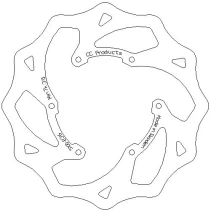
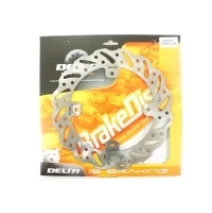
front brake disc fits on Beta RR 13-
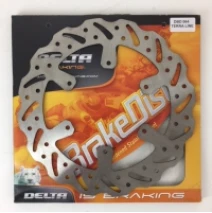
rear disc fits onCR 125/250 02-,CRF 250/450 02-
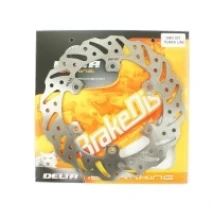
front disc fits onYZF250 / 450 16- YZ125 / 250 17- 270 mm
- new brake fluid
- hose and container for old fluid
- key for bleeder screws
- rag and gloves (brake fluid is aggressive)
Brake caliper
Brake pads
Bleeding the brake system
Changing the brake fluid
Take a break, tap the brake caliper, bend the hoses to release bubbles, bleed the screw, remember to fill the brake cylinder to the "FULL" mark, never overfill. Because if the fluid has nowhere to expand when it heats up, the brakes will lock up.
TIP: Check out the various helpers - products by MOTION PRO USA
Our Store
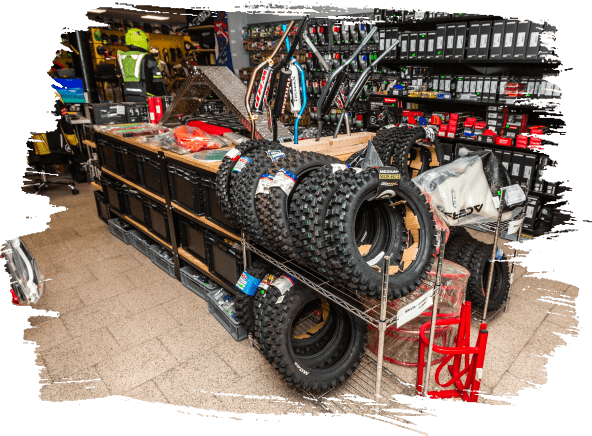
Not far from Strakonice, in the small village of Jinín next to the world-famous motocross track, you will find our MEFO store. Here, you will always be greeted by friendly salespeople who will be at your disposal throughout your entire shopping experience.