 WEAR SALE
 HELMETS SALE
 TRavel
 gloves
  GOGGLES & GLASSES
 Protectors %
 Boots %
 Jackets %
 Pants %
 PLASTICS SALE
  feders
 tables and masks
 spoilers
  frame cover
  Swingarm covers
 Raptor
 engine cover covers
 rear fenders
 radiator covers
 chain guides
 seat covers
 fork protectors
 engine covers
 handles
  lever protectors
 LEVERS SALE
 FILTERS FOR MOTO sale
 wheels and repair kits
 gas handles
 silencer parts
 chassis parts
 TOOLS SALE
 Brake pads
  cables on motorbike sale
 gears
gears bags and backpacks
 tyres and tubes
  screws


 airbox and airbox covers
 UNIVERSAL FENDER
 TANK COVER
 Front disc covers
 MUD FLAP
 HEADLIGHT MASK
 TAIL LIGHT FENDER
 BRAKES
 BRAKE DISCS & BOLTS
 CALIPERS & BRAKE PUMPS
 BRAKE PEDAL
 BRAKE HOSE
 ENGINE PARTS
 GASKETS & SEALS
 CARBURETOR
 BEARINGS
 OIL PLUG
 PISTON SETS
 TIMING CHAINS
 CLUTCH & ACCESSORIES
 Nozzles
 CYLINDER HEAD
 engine covers
 WATER PUMP
 CONNECTING ROD KIT
 AIR FILTER COVER
 OIL FILTER
 NET AIR FILTER
 AIR FILTER
 FUEL FILTER
 HANDGUARDS
  OPEN
OPEN CLOSED
 CLOSED UNIVERSAL
 HANDGUARD ACCESSORIES
 RADIATOR
 RADIATORS
 RADIATOR BRACES
 RADIATOR HOSES
 BEARINGS
 SPOKES
 SPACERS
 NUTS
NUTS WHEELS & RIMS
 TPS SENSOR COVER
 SWINGARM & LINKAGE
 LINKAGE KIT
 KETTENBLOCK
 LINKAGE COVERS
 TANKS
TANKS ADDITIONAL TANKS
 TANK CAPS
 TANK VALVES
 TANK PARTS
 GRIP ACCESSORIES
 CHAIN SET
 FRONT SPROCKETS
 SPROCKETS & SCREWS
 CHAINROLLER
 SPROCKET COVERS
  Accessories for chain wheels
 STEERING
 HANDLEBARS
 CLAMPS
 STEERING NECK
 CROSSBAR PAD
 HANDLEBAR ACCESORIES
 SEATS
SEATS SEATFOAM
 SEAT COVER
 FOOTPEGS
 FOOTPEGS
 SPRINGS & PINS
 PROTECTORS
 HEADLIGHTS
 SPARK PLUG
  SEAT
SEAT ENGINE BOLTS
 BRAKE BOLT AND SPROCKET SCREW
 SIMERINGS & DUSTERS
 SET OF BUSHINGS
 bleeder screw
 front shock absorber covers
 rear shock absorber covers
 REAR SHOCK ATTACHMENT
 LAUNCH HELPER
 EXHAUST
 EXHAUST PROTECTION
 COTTON WOOL
 PLUGS
PLUGS HEAT-RESISTANT FOIL
 CONNECTING RUUBBER
 SPRINGS
 REPAIR KITS
 SILENTBLOCK
 Adventure
 rider equipment
 Acerbis carbon
 Acerbis Airstrike-X
 Acerbis T711
 Acerbis Linear
 Acerbis Whoops
 FLIP-UP
 OPEN
OPEN JUNIOR
 RETRO
RETRO ACCESSORIES
 GOGGLES
 GLASS, TEARS OFF...
 PROTECTION
 CHEST PROTECTORS
 NECK BRACES
 KIDNEY BELTS
 ELBOW PROTECTORS
 KNEE GUARDS
 BACKBONE
 JUNIOR
 SOFT PANTS
 travel
 ANKLE
ANKLE ENDURO
 JUNIOR
 soles and more
 Wellies
 on a scooter
 JUNIOR
 ENDURO
 women
women ENDURO
 TEXTILIE
  jeans
jeans summer
 WINTER
 ENDURO
 summer
 WATERPROOF
 women's
  glove liners
 SOCKS
SOCKS WATERPOOF GEAR
 VESTS
VESTS THERMO UNDERWEAR
 THERMO T-SHIRTS
 THERMO PANTS
 THERMO KNEE SOCKS
 leisurewear
 Headwear
 T-SHIRTS
 trika-uni
 Children's T-shirts
 Mini T-shirts
 SWEATSHIRT
 leisure jackets
 FREE TIME SHORTS
 Sweatpants
 Casual shoes
 HOODS
HOODS SCARF
SCARF TOOLS
TOOLS TIRE LEVERS
  CHAIN BREAKERS
 Preparations for shocks
 Preparations for wheels
 Engine preparations
 Preparations for bearings
 OTHER MOTO TOOLS
 GRAPHICKITS, NUMBERS
 Wheel changers
 Canisters, measuring cups
 TRANSPORT
 CARPETS
 MOTORCYCLE COVERS
 HOURMETER
 helpers for track and training
 STAND
STAND HYDRATION BAGS
 PIT BOARD, MARKER
 BACKPACKS
 WAIST PACKS
 VOUCHERS
 STAND
STAND FORK OIL
 AIR FILTER OIL
 CHAIN LUBES
 COOLANT FLUID
 BRAKE FLUID
 CLEANER AND IMPREGNATION
 additives
 MEFO MOUSSE
 10"
10" 12"
12" 14"
14" 16"
16" 17"
17" 18"
18" 19"
19" 20"
20" 21"
21" MOUSSE GEL
 TUBE FOR MOTORCYCLE
 4"
4" 5"
5" 6"
6" 8"
8" 9"
9" 10"
10" 12"
12" 13"
13" 14"
14" 15"
15" 16"
16" 17"
17" 18"
18" 19"
19" 21"
21" 22"
22" 23"
23" 10"
10" 12"
12" 14"
14" 15"
15" 16"
16" 17"
17" 18"
18" 19"
19" 20"
20" 21"
21" ENDURO TIRE
 ROAD TIRE
 15"
15" 23"
23" 4"-6,5"
 8"
8" 13"
13" HALTERS
Complete guide to motocross protectors: materials, certifications, selection tips
Complete guide to motocross protectors: materials, selection tips


Imagine racing down the track, with rough terrain under your wheels and a cloud of dust from your rival rising ahead of you. At that moment, you do not want to think about whether your vest is pressing against your neck or whether your elbow guards have slipped down to your wrists. Motocross is about full concentration. And that is exactly what modern equipment is for. It should be your invisible safety net, something you do not notice while riding, but which does the hardest work the second after a mistake.
Modern motocross protectors are no longer just stiff pieces of plastic. Technologies for the 2026 season have made a huge leap forward, and we will guide you through everything you should wear.
Source: https://marketing.acerbis.it/gallery/10052-offroad/10203-protections/24-knee-guards#galleryD-15
MATERIALS THAT ARE SOFT LIKE PLASTICINE BUT HARD LIKE ROCK
The biggest innovation today is so-called intelligent materials, such as D3O or Nucleon PLASMA. Their secret is that under normal conditions they are soft and flexible. But as soon as a sudden impact occurs, the material hardens in milliseconds, absorbs the energy and spreads it across a larger area.
This technology is also used by premium Italian Acerbis accessories, which combine rigid plastic on the outside (against sharp stones) with this smart foam on the inside (against impact). The result is Acerbis protectors that breathe well and do not restrict movement.
Certification of protective equipment
When you look at equipment labels, you will come across the European standard EN 1621. It is divided into two performance levels that differ in their ability to absorb energy and in the degree of protection the protector provides.
- Level 1 is the basic level. These motorcycle protectors are lighter and more flexible. They are ideal for hobby riders or for extreme heat, where ventilation is the priority.
- Level 2 provides maximum protection. These pieces must absorb significantly more energy on impact. For example, in the case of back protection, Level 2 may transmit a maximum of 9 kN of force to the body, while Level 1 allows twice as much. If you take racing seriously, Level 2 is the clear choice for you.
WHAT SHOULD BE PART OF YOUR GEAR?
Looking at a motocross rider, it may seem as if they are wrapped in endless layers. But every piece has a clear purpose. Let us break them down:
1. CHEST AND BACK PROTECTOR (BODY ARMOR)
Torso protection is essential in motocross because this area absorbs a significant part of impact energy during a fall or collision. A chest protector is designed to cushion direct blows to the front of the body, typically from contact with the handlebars, the tank or a fall onto hard ground. It also protects against flying stones and dirt from the bike in front of you, which can cause unpleasant injuries at higher speeds.
A back protector serves to spread and absorb impact energy in the back area. Its job is to minimize the risk of injury to the vertebrae and soft tissues when falling on your back or flipping over the bike. A quality back protector should cover the area from the upper back down to the tailbone and stay firmly in place even during intense movement.
2. NECK BRACE
A neck brace supports the helmet. In a fall, it prevents the head from bending backward or sideways unnaturally, thereby protecting the cervical vertebrae.
Tip: If you are considering the most advanced airbag vests, they already include neck protection, so a separate brace is no longer worn with them.
3. KIDNEY BELT
Many riders think that a proper kidney belt only protects against getting cold. Wrong! Its main job is to stabilize the core and keep internal organs in place during big jumps and impacts. In addition, it encourages correct posture, so you do not get tired as quickly.
4. JOINTS (KNEES AND ELBOWS)
Knee protectors are divided into classic impact guards and braces. While a guard saves you from a bruise, a brace has a rigid frame that keeps the knee aligned and helps prevent ligament tears when the leg twists.
Elbow protectors should be light and, above all, must not constrict the forearm, so blood flow is not restricted and the hands do not tire prematurely. At the same time, they must stay firmly in place during repeated impacts and sliding on the ground. The ideal model combines a rigid outer shell with an impact-absorbing inner layer while still allowing the elbow to move freely.
5. SAFETY FOR THE YOUNGEST RIDERS
When it comes to children, safety is not something to save money on. For example, a children's back protector must fit the exact length of the back - never buy a larger size so the child can grow into it. If the protector does not sit in the anatomical zones, it can do more harm than good in a fall. Equipment for young racers should therefore always be chosen according to current height and chest circumference.
MEFO.CZ RECOMMENDS AND ADVISES:
- For children, we recommend BODY ARMOUR type body protectors, as they adapt better to a child's body shape.
- If a child gets used to full gear from an early age, they will consider it a natural part of riding.
- Do not underestimate protectors; it is better to prevent injuries.
HOW DO YOU KNOW YOUR MOTORCYCLE PROTECTORS FIT CORRECTLY?
Trying things on in a store is essential, but you need to know what to look for. Here are 3 quick tips:
- The two-finger rule: Under a fastened chest protector or neck brace, you should be able to comfortably slide in two fingers. It must not choke you, but it must not hang loose either.
- Riding position: Try everything on in a slight squat with your elbows bent. You will not be standing at attention like a soldier on the track.
- Compatibility: Always make sure your certified helmet does not interfere with the neck brace. You should have free head movement, but when leaning, the helmet should safely rest on the protector.

3 TIPS FOR LONG EQUIPMENT LIFE
- Keep it out of the sun: UV radiation is the biggest enemy of plastics. Do not leave protectors in direct sunlight all day.
- Soapy water instead of the washing machine: Sweat and salt break down impact-absorbing foams. After every ride, wipe the protectors or wash the liners by hand in soapy water.
- Check after an impact: Even if the protector looks untouched after a fall, the internal structure may be cracked. Carefully inspect your gear after a major impact.
Interesting fact from history: The first neck braces were developed only in 2001 after Dr. Chris Leatt witnessed his friend's accident. Today, it is a standard piece of equipment without which professionals cannot imagine riding.
What to take away from the article
Protection in motocross today is not about choosing between comfort and safety. Modern technologies make it possible to have both at the same time. To make sure your gear works as it should, follow a few basic rules:
1. Watch the certification.
For back and chest protectors, always prefer the Level 2 marking. This level can absorb a significantly larger share of impact energy than the basic Level 1.
2. Functionality is more important than appearance.
A protector will protect you only if it stays in place during a fall. For elbows, knees and torso alike, pay attention to the correct size and secure fastening.
3. Think about the lifespan of your gear.
Materials used in protectors and helmets gradually lose their properties due to sweat, sun and temperature changes. Check your gear after every season; equipment also ages and loses its functionality even if it looks fine at first glance.
Our Store
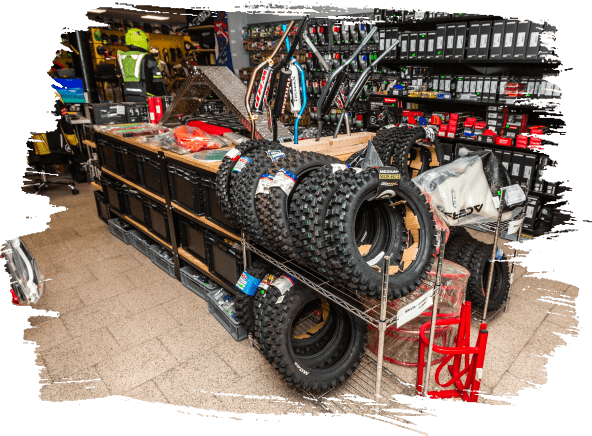
Not far from Strakonice, in the small village of Jinín next to the world-famous motocross track, you will find our MEFO store. Here, you will always be greeted by friendly salespeople who will be at your disposal throughout your entire shopping experience.